Privacy Policy for http://performanceauditing.blogspot.com/
If you require any more information or have any questions about our privacy policy, please feel free to contact us by email at n4n1k84@gmail.com.
At http://performanceauditing.blogspot.com/, the privacy of our visitors is of extreme importance to us. This privacy policy document outlines the types of personal information is received and collected by http://performanceauditing.blogspot.com/ and how it is used.
Log Files
Like many other Web sites, http://performanceauditing.blogspot.com/ makes use of log files. The information inside the log files includes internet protocol ( IP ) addresses, type of browser, Internet Service Provider ( ISP ), date/time stamp, referring/exit pages, and number of clicks to analyze trends, administer the site, track user’s movement around the site, and gather demographic information. IP addresses, and other such information are not linked to any information that is personally identifiable.
Cookies and Web Beacons
http://performanceauditing.blogspot.com/ does use cookies to store information about visitors preferences, record user-specific information on which pages the user access or visit, customize Web page content based on visitors browser type or other information that the visitor sends via their browser.
DoubleClick DART Cookie
.:: Google, as a third party vendor, uses cookies to serve ads on http://performanceauditing.blogspot.com/.
.:: Google's use of the DART cookie enables it to serve ads to users based on their visit to http://performanceauditing.blogspot.com/ and other sites on the Internet.
.:: Users may opt out of the use of the DART cookie by visiting the Google ad and content network privacy policy at the following URL - http://www.google.com/privacy_ads.html
Some of our advertising partners may use cookies and web beacons on our site. Our advertising partners include ....
Google Adsense
These third-party ad servers or ad networks use technology to the advertisements and links that appear on http://performanceauditing.blogspot.com/ send directly to your browsers. They automatically receive your IP address when this occurs. Other technologies ( such as cookies, JavaScript, or Web Beacons ) may also be used by the third-party ad networks to measure the effectiveness of their advertisements and / or to personalize the advertising content that you see.
http://performanceauditing.blogspot.com/ has no access to or control over these cookies that are used by third-party advertisers.
You should consult the respective privacy policies of these third-party ad servers for more detailed information on their practices as well as for instructions about how to opt-out of certain practices. http://performanceauditing.blogspot.com/'s privacy policy does not apply to, and we cannot control the activities of, such other advertisers or web sites.
Saturday, July 23, 2011

Accounting Basics: Current Assets - Accounts Receivable


Almost as common a term as cash nowadays, accounts receivable is an accounting term meaning amounts owed to a business by other business or customers (individuals or otherwise). An accounts receivable arises anytime when goods are sold but cash is not received immediately; thus when you purchase something for cash at Walmart you are not creating an accounts receivable. If you commit to purchase something (say a lawnmower) and you are offered the option to pay next month, now you have created an accounts receivable on the retailers books.
Unlike a note receivable (to be discussed next), there is generally no signed agreement beyond an invoice for an accounts receivable. They are generally short term in nature (less than a year, if not only a couple months). Because of their short term nature, they are generally listed as a current asset on the balance sheet next after cash.


We've previously discussed what Assets are. In an unclassified balance sheet where you only have 3 major classifiations (assets, liabilities and owners equity) that would be in the story. A much more useful report is the Classified Balance Sheet. Here, the three major categories are subdivided to provide readers of the financial statements with much more detailed information. The first such subdivision under assets is Current Assets.
Current Assets are defined as those assets which will either be converted into cash or otherwise 'used up' by the business in a relatively short period of time (generally one year or less). On the balance sheet, they are generally presented in order of liquidity; thus cash is generally listed first.
Other examples of current assets include accounts receivable, notes receivable (which often have a current and a non-current portion) and prepaid expenses. These will be examined in future entries.
Product Pricing Issues and Strategies


Another good article on BNET (can you tell I like this website). A lot of it is common sense. The helpful thing about the BNET website is how they present the article. It has a very good layout which highlights the main points. This particular article talks about issues and strategies regarding product pricing.
Product Pricing Issues and Strategies
Another good article on BNET (can you tell I like this website). A lot of it is common sense. The helpful thing about the BNET website is how they present the article. It has a very good layout which highlights the main points. This particular article talks about issues and strategies regarding product pricing.
Microsoft Coffee Table PC
Is there really a market for this thing; I can't imagine having such an intrusive thing in my living room...
Microsoft to unveil 30-inch touch screen computer - May. 30, 2007
Microsoft unveils coffee table 'surface computer'
Software maker will introduce a coffee-table-shaped computer that has a 30-inch display, allowing people to touch and move objects on the screen.
May 30 2007: 2:42 PM EDT
SEATTLE (Reuters) -- Microsoft Corp. will unveil a coffee-table-shaped "surface computer" Wednesday in a major step towards co-founder Bill Gates's view of a future where the mouse and keyboard are replaced by more natural interaction using voice, pen and touch.
Microsoft Surface, which has a 30-inch display under a hard-plastic tabletop, allows people to touch and move objects on screen for everything from digital finger painting and jigsaw puzzles to ordering off a virtual menu in a restaurant.
surface.03.jpg
Microsoft's coffee-table-shaped "surface computer" hopes to one day replace the mouse and keyboard with voice recognition, pen and touch.
It also recognizes and interacts with devices placed on its surface, so cell phone users can easily buy ringtones or change payment plans by placing their handsets on in-store displays, or a group of people gathered round the table can check out the photos on a digital camera placed on top.
Microsoft (Charts, Fortune 500), the world's largest software maker, said it will manufacture the machine itself and sell it initially to corporate customers, deploying the first units in November in Sheraton hotels, Harrah's casinos, T-Mobile stores, and restaurants.
Microsoft's 150-lb computer: What's the point?
Microsoft to unveil 30-inch touch screen computer - May. 30, 2007
Microsoft unveils coffee table 'surface computer'
Software maker will introduce a coffee-table-shaped computer that has a 30-inch display, allowing people to touch and move objects on the screen.
May 30 2007: 2:42 PM EDT
SEATTLE (Reuters) -- Microsoft Corp. will unveil a coffee-table-shaped "surface computer" Wednesday in a major step towards co-founder Bill Gates's view of a future where the mouse and keyboard are replaced by more natural interaction using voice, pen and touch.
Microsoft Surface, which has a 30-inch display under a hard-plastic tabletop, allows people to touch and move objects on screen for everything from digital finger painting and jigsaw puzzles to ordering off a virtual menu in a restaurant.
surface.03.jpg
Microsoft's coffee-table-shaped "surface computer" hopes to one day replace the mouse and keyboard with voice recognition, pen and touch.
It also recognizes and interacts with devices placed on its surface, so cell phone users can easily buy ringtones or change payment plans by placing their handsets on in-store displays, or a group of people gathered round the table can check out the photos on a digital camera placed on top.
Microsoft (Charts, Fortune 500), the world's largest software maker, said it will manufacture the machine itself and sell it initially to corporate customers, deploying the first units in November in Sheraton hotels, Harrah's casinos, T-Mobile stores, and restaurants.
Microsoft's 150-lb computer: What's the point?
Accounting Basics: The Balance Sheet


One of the fundamental components (for want of a better word) of accounting is the Balance Sheet. The balance sheet is often referred to as a statement of financial position. It can be described as a snapshot that shows the company's financial position at any given moment. Listed in the balance sheet are the company's assets, liabilities and owners equity.
If you view the balance sheet as a two column worksheet, the assets would be in the left column while the liabilities and owners equity would be in the right column. The two columns must be equal.
You won't be able to determine the company's profitability from the balance sheet. What the balance sheet will show is the solvency of the company. Analysts will look at various ratios (i.e. current ratio: current assets / current liabilities) to determine the company's financial well being.
Future entries in my Accounting Basics series will describe each of the components of the balance sheet.
Accounting principle- Accrual Basis
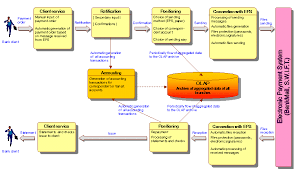

Figures generated / kept in accordance to accounting principle is prepared on accrual basis. For instance, accountant record the provision for warranty ( based on estimate) even though there's no actual cash/ economic outflow yet.In finance, cash basis figures are more relatively more valuable , as compared to accrual basis ( advocated by accounting principle), in order to value a business.What do you think ? You prefer a an accrual method or cash method in valuing a business?
Accounting Basics: Assets

As hinted in my previous entry, the balance sheet is comprised of three basic sections: assets, liabilities and owners equity. Assets are resources or items of value owned by the business. They are items of value which can be used or exchanged in the production or delivery of services of the business.
Typically, the most common asset people think of is cash. Cash can be exchanged to purchase office supplies, raw materials used in production, pay employees, etc.; thus it is an asset of the business. Machinery is another asset; it is used in the production of the goods or services delivered by the business.
Substantial effort is made by accountants in valuing assets; some of which may not have a clear current value. For example, a piece of equipment purchased five years ago for $100,000 and used daily in the operation of the business is not worth $100,000 today (in the same way that a five year old car is not worth the price paid for it when it was new). In this instance, accountants use depreciation to adjust the value of a 'fixed asset' such as this (to be discussed later).
Another Free Office Suite of Products

I haven't looked at this new free office suite called IBM Lotus Symphony; but it looks like it could be pretty good. It appears to be an open suite of products (very universal) and they claim:
"With Lotus Symphony, you can import, edit and save a variety of file formats including Microsoft Office files. You can even export your documents to Adobe® Portable Document Format (PDF). The tools work with computers running both Microsoft Windows and Linux- environments, with support for Apple Macintosh planned for the future."
The suite consists of three products:
1. Lotus Symphony Documents (replacement for Word)
2. Lotus Symphony Presentations (replacement for PowerPoint)
3. Lotus Symphony Spreadsheets (replacement for Excel)
As a former Lotus 1-2-3 user, I'm very interested in these and will have to check them out the first opportunity I get. If anyone has tried them, please comment!
Accounting Basics: Management Accounting vs. Financial Accounting

This 3rd installment in my "Accounting Basics" series will discuss the differences between Management Accounting and Financial Accounting.
The private accounting field can be further divided into two sub-categories depending on how the information generated by the accountant is used.
As its name implies, Management (or Managerial) Accounting provides that information which is used by managers within the company. The information provided can be as broad as long range financial projections or as detailed as analyzing cost variances (ie budget overages). Wikipedia defines management accounting as being " concerned with the provisions and use of accounting information to managers within organizations, to provide them with the basis in making informed business decisions that would allow them to be better equipped in their management and control functions."
While management accounting concerns the internal use of information, Financial Accounting concerns the external use of accounting information. Of course financial accounting concepts are used in management accounting. Financial accounting involves providing information which is useful to external users such as prospective buyers and investors, creditors, government agencies, etc. Financial Statements are the most provided piece of information. These include the Balance Sheet and Income Statement (to be explained in a future post). Wikipedia defines financial accounting as "the field of accountancy concerned with the preparation of financial statements for decision makers, such as stockholders, suppliers, banks, government agencies, owners, and other stakeholders. Financial accountancy is used to prepare accounting information for people outside the organization or not involved in the day to day running of the company."
I am a career woman, and at the same time as a manager
Almost as common a term as cash nowadays, accounts receivable is an accounting term meaning amounts owed to a business by other business or customers (individuals or otherwise). An accounts receivable arises anytime when goods are sold but cash is not received immediately; thus when you purchase something for cash at Walmart you are not creating an accounts receivable. If you commit to purchase something (say a lawnmower) and you are offered the option to pay next month, now you have created an accounts receivable on the retailers books.
Unlike a note receivable (to be discussed next), there is generally no signed agreement beyond an invoice for an accounts receivable. They are generally short term in nature (less than a year, if not only a couple months). Because of their short term nature, they are generally listed as a current asset on the balance sheet next after cash.
Accounting Basics: Current Assets - Cash
Accounting Basics: Current Assets - Cash


Cash is normally the first item listed under Current Assets on the Balance Sheet. What does cash include? Cash includes any deposits available in the bank as well as anything on-hand which might include bills and checks or money orders to be deposited.
Cash is normally the first item listed under Current Assets on the Balance Sheet. What does cash include? Cash includes any deposits available in the bank as well as anything on-hand which might include bills and checks or money orders to be deposited.
Another Free Office Suite of Products
Another Free Office Suite of Products
I haven't looked at this new free office suite called IBM Lotus Symphony; but it looks like it could be pretty good. It appears to be an open suite of products (very universal) and they claim:
"With Lotus Symphony, you can import, edit and save a variety of file formats including Microsoft Office files. You can even export your documents to Adobe® Portable Document Format (PDF). The tools work with computers running both Microsoft Windows and Linux- environments, with support for Apple Macintosh planned for the future."
The suite consists of three products:
1. Lotus Symphony Documents (replacement for Word)
2. Lotus Symphony Presentations (replacement for PowerPoint)
3. Lotus Symphony Spreadsheets (replacement for Excel)
As a former Lotus 1-2-3 user, I'm very interested in these and will have to check them out the first opportunity I get. If anyone has tried them, please comment!
Resume Writing Tip

Just happened to come across this article on MSN. Some interesting tips on resume writing. Includes a list of 'buzz words' you should avoid on your resume as well as a few what they call 'empty phrases' which should be avoided.
I haven't looked at this new free office suite called IBM Lotus Symphony; but it looks like it could be pretty good. It appears to be an open suite of products (very universal) and they claim:
"With Lotus Symphony, you can import, edit and save a variety of file formats including Microsoft Office files. You can even export your documents to Adobe® Portable Document Format (PDF). The tools work with computers running both Microsoft Windows and Linux- environments, with support for Apple Macintosh planned for the future."
The suite consists of three products:
1. Lotus Symphony Documents (replacement for Word)
2. Lotus Symphony Presentations (replacement for PowerPoint)
3. Lotus Symphony Spreadsheets (replacement for Excel)
As a former Lotus 1-2-3 user, I'm very interested in these and will have to check them out the first opportunity I get. If anyone has tried them, please comment!
Resume Writing Tip
Just happened to come across this article on MSN. Some interesting tips on resume writing. Includes a list of 'buzz words' you should avoid on your resume as well as a few what they call 'empty phrases' which should be avoided.
Another Information Security Breach


Anyone holding such information on the internet should be required to have their systems independently tested on an annual basis. Many company's have audits of their financial records and internal controls. Why not audit the security controls of their network?
Accounting Basics: Management Accounting vs. Financial Accounting
Accounting Basics
This 3rd installment in my "Accounting Basics" series will discuss the differences between Management Accounting and Financial Accounting.
The private accounting field can be further divided into two sub-categories depending on how the information generated by the accountant is used.
As its name implies, Management (or Managerial) Accounting provides that information which is used by managers within the company. The information provided can be as broad as long range financial projections or as detailed as analyzing cost variances (ie budget overages). Wikipedia defines management accounting as being " concerned with the provisions and use of accounting information to managers within organizations, to provide them with the basis in making informed business decisions that would allow them to be better equipped in their management and control functions."
While management accounting concerns the internal use of information, Financial Accounting concerns the external use of accounting information. Of course financial accounting concepts are used in management accounting. Financial accounting involves providing information which is useful to external users such as prospective buyers and investors, creditors, government agencies, etc. Financial Statements are the most provided piece of information. These include the Balance Sheet and Income Statement (to be explained in a future post). Wikipedia defines financial accounting as "the field of accountancy concerned with the preparation of financial statements for decision makers, such as stockholders, suppliers, banks, government agencies, owners, and other stakeholders. Financial accountancy is used to prepare accounting information for people outside the organization or not involved in the day to day running of the company."
This 3rd installment in my "Accounting Basics" series will discuss the differences between Management Accounting and Financial Accounting.
The private accounting field can be further divided into two sub-categories depending on how the information generated by the accountant is used.
As its name implies, Management (or Managerial) Accounting provides that information which is used by managers within the company. The information provided can be as broad as long range financial projections or as detailed as analyzing cost variances (ie budget overages). Wikipedia defines management accounting as being " concerned with the provisions and use of accounting information to managers within organizations, to provide them with the basis in making informed business decisions that would allow them to be better equipped in their management and control functions."
While management accounting concerns the internal use of information, Financial Accounting concerns the external use of accounting information. Of course financial accounting concepts are used in management accounting. Financial accounting involves providing information which is useful to external users such as prospective buyers and investors, creditors, government agencies, etc. Financial Statements are the most provided piece of information. These include the Balance Sheet and Income Statement (to be explained in a future post). Wikipedia defines financial accounting as "the field of accountancy concerned with the preparation of financial statements for decision makers, such as stockholders, suppliers, banks, government agencies, owners, and other stakeholders. Financial accountancy is used to prepare accounting information for people outside the organization or not involved in the day to day running of the company."
HIPAA: just something to read more about
HIPPA


Haven't really delved into this at all. Came across this article at the link below. Other than the form which I kind of gloss over at any new doctors office. I really don't know much about HIPAA. The author at the link below has a link to some more documentation on HIPAA. Just posting this as one of those things I'd like to read more on when I get a chance (Sarbanes-Oxley is another one).
Save Money: Buy Refurbished PC
Save Money: Buy Refurbished PC
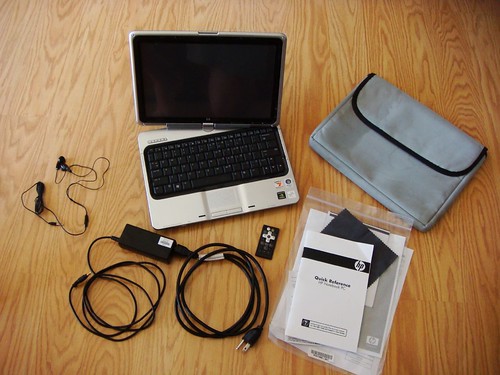
BNet had a good article (which you can read my comments on) regarding purchasing refurbished PC's...something I have no problem with. Read the article at the link below and read my comment at their site also:
BNet had a good article (which you can read my comments on) regarding purchasing refurbished PC's...something I have no problem with. Read the article at the link below and read my comment at their site also:
Operating Lease vs. Capital Lease
Operating Lease vs. Capital Lease

Good article on Bnet identifying the differences between an operating lease and a capital lease. Includes accounting for each type of lease.
Good article on Bnet identifying the differences between an operating lease and a capital lease. Includes accounting for each type of lease.
Accounting Basics: Public Accounting vs. Private Accounting
Accounting Basics: Public Accounting vs. Private Accounting


Next in my Accounting Basics Series: Public Accounting vs Private (Industrial) Accounting.
The old accounting text book defines public accounting as: offering accounting and related services for a fee to companies, other organizations and the general public. The other services can include auditing, tax services and consulting. The certification offered for this type of accountancy is a Certified Public Accountant. The exam is prepared and administered by the American Institute of Certified Public Accountants (AICPA).
Private (or industrial accounting) is the opposite. Instead of providing services to many clients, a private accountant provides services to a single business. In a business consisting of many accountants, the 'head accountant is typically called the controller. Private accountants may or may not be CPA's. The National Association of Accountants does offer a certificate for private accountants called a Certificate in Management Accounting (CMA). Private accountants are often much more specialized and have to adapt to the needs of their company (controlling costs, budgeting, accounting systems, etc.)
Next in my Accounting Basics Series: Public Accounting vs Private (Industrial) Accounting.
The old accounting text book defines public accounting as: offering accounting and related services for a fee to companies, other organizations and the general public. The other services can include auditing, tax services and consulting. The certification offered for this type of accountancy is a Certified Public Accountant. The exam is prepared and administered by the American Institute of Certified Public Accountants (AICPA).
Private (or industrial accounting) is the opposite. Instead of providing services to many clients, a private accountant provides services to a single business. In a business consisting of many accountants, the 'head accountant is typically called the controller. Private accountants may or may not be CPA's. The National Association of Accountants does offer a certificate for private accountants called a Certificate in Management Accounting (CMA). Private accountants are often much more specialized and have to adapt to the needs of their company (controlling costs, budgeting, accounting systems, etc.)
Target Follows Blockbuster and Goes Blu Ray
Target Follows Blockbuster and Goes Blu Ray

Follow up to my June 20, 2007 post. Looks like Target is following Blockbusters lead and supporting Blu Ray...
NEW YORK (Reuters) - Target plans to carry only Blu-ray high definition DVD players through the holiday shopping season, a move that boosts the Sony-backed technology and may deal a blow to rival HD-DVD.
In a statement on Thursday, Sony Corp. said that Target will exclusively carry Blu-ray players "at least through the holiday season" and will also expand its inventory of Blu-ray discs.
The move begins in October with Target's sale and promotion of Sony's BDP-S300 unit, which sells for about $500.
It was the second major retailer in as many months to throw its weight behind Blu-ray in the industry wide standards war reminiscent of VHS and Betamax. Blockbuster, the largest U.S. provider of home movie entertainment, in June set plans to line its shelves with Blu-ray DVDs, saying that Blu-ray rentals are "significantly outpacing HD DVD rentals."
HD DVD is developed by Toshiba Corp. and backed by Microsoft Corp. and film studios including Warner Bros.. It competes with Sony's Blu-ray which is built into its PlayStation 3 game console, and supported by companies such as Samsung Electronics Co., Apple and Dell.
Earlier this month, the HD DVD camp said its stand-alone video players have outsold rival Blu-ray players by a three-to-one margin in Europe's main markets so far this year.
Mass market acceptance of high-definition video is still some way off, due in part to the high price of the devices, and the fact that some movies and programs are available on one platform and not the other.
(Reporting by Franklin Paul)
Follow up to my June 20, 2007 post. Looks like Target is following Blockbusters lead and supporting Blu Ray...
NEW YORK (Reuters) - Target plans to carry only Blu-ray high definition DVD players through the holiday shopping season, a move that boosts the Sony-backed technology and may deal a blow to rival HD-DVD.
In a statement on Thursday, Sony Corp. said that Target will exclusively carry Blu-ray players "at least through the holiday season" and will also expand its inventory of Blu-ray discs.
The move begins in October with Target's sale and promotion of Sony's BDP-S300 unit, which sells for about $500.
It was the second major retailer in as many months to throw its weight behind Blu-ray in the industry wide standards war reminiscent of VHS and Betamax. Blockbuster, the largest U.S. provider of home movie entertainment, in June set plans to line its shelves with Blu-ray DVDs, saying that Blu-ray rentals are "significantly outpacing HD DVD rentals."
HD DVD is developed by Toshiba Corp. and backed by Microsoft Corp. and film studios including Warner Bros.. It competes with Sony's Blu-ray which is built into its PlayStation 3 game console, and supported by companies such as Samsung Electronics Co., Apple and Dell.
Earlier this month, the HD DVD camp said its stand-alone video players have outsold rival Blu-ray players by a three-to-one margin in Europe's main markets so far this year.
Mass market acceptance of high-definition video is still some way off, due in part to the high price of the devices, and the fact that some movies and programs are available on one platform and not the other.
(Reporting by Franklin Paul)
Interviewing Tips Continued...Questions to Ask
While were on the topic, I found this article (also on BNet) with a well organized list of questions to help you stage the interview...
The 7 Interview Questions You Must Ask
by Brian Libby
There are no magic bullets when it comes to job interview questions, but the way you structure your queries is important: It's the interviewer's job to create a framework for the discussion and prevent it from running off the rails. Every company's needs are different, but a good basic strategy is to ground the interview in questions about past job performance. Then throw in some situational questions to evaluate practical decision making, and learn a little bit about how the job fits in with a candidate's biography.
Question #1: "How about those Yankees?"
Purpose: Develop the rapport needed to get the interview off the ground.
Every interview should begin with an icebreaker. It helps nervous applicants calm down and builds a sense of trust. If you have a 45-minute interview, you should spend at least the first five minutes trying to connect on a neutral topic. Make the person feel at ease and you'll solicit better information—and much more honest responses.
Alternate Version 1: "Did you go to the industry conference last week?"
Alternate Version 2: "Were you affected by the heat wave/cold snap?"
Alternate Version 3: "Did you have a good holiday?"
Question #2: "Talk about a time when you had to overcome major obstacles."
Purpose: Get a clear picture of the candidate's past performance.
Variations on this question should actually comprise your next several questions. Don't hesitate to guide the candidate through the variety of tasks (both tangible and theoretical) necessary to perform the job, and listen carefully to how he or she has handled such challenges. Pay attention to intangibles: some people are better at performing in interviews than on the job. If your candidate continually plays the role of hero or victim, that's a red flag that you're probably not getting the whole story.
Alternate Version 1: "Tell me about a time when you wrote a report that was well received. Why do you think it was successful?"
Alternate Version 2: "Describe a time when you hired (or fired) the wrong person."
Alternate Version 3: "If you had to do that activity again, how would you do it differently?"
Question #3: "What interests you about this position?"
Purpose: Find out how the candidate feels about the job and the company.
People apply for jobs for plenty reasons besides the obvious ones. Asking a candidate why he or she wants the position gives insight into their motivation. The answer may be personal (such as a narrative about what spurred them to seek a new job), or it may connect the candidate to the company: her experience with the brand, the mission statement, or the organization's role in the community. Any of these answers (or some combination) are acceptable—a personal answer can communicate trust, and a connection to the business indicates loyalty and a sense of ownership.
Alternate Version 1: "Where does this job fit into your career path?"
Alternate Version 2: "If you had to convince a friend or colleague to apply for this job, what might you tell them?"
Alternate Version 3: "What motivated you to apply for this job?"
Question #4: "Is there intelligent life in outer space?"
Purpose: Find out what kind of thinker the candidate is and how he deals with surprises.
This is your curveball, designed to make the candidate ad-lib instead of just reciting well-rehearsed answers. How much will he or she play along? As long as it's not too short or too long, virtually any response is a good one. But pay attention to attitude, the way the candidate approaches the problem, and the ease or difficulty they have in coming up with a response.
Alternate Version 1: "How many phone books are there in New York City?"
Alternate Version 2: "How do they get the cream filling inside a Twinkie?"
Alternate Version 3: "Why do people climb mountains?"
Question #5: "Imagine we've just hired you. What's the most important thing on your to-do list on the first day of work?"
Purpose: Learn about the candidate's judgment and decision-making skills.
This is an example of a situational question, which is like a behavioral question in that it's designed to assess judgment, but it's also like a curveball question because it illuminates the candidate's thought process. You want to see whether he demonstrates the competencies and priorities that are important to the job.
Alternate Version 1: "Say a coworker tells you that he submitted phony expense account receipts. Do you tell your boss?"
Alternate Version 2: "How would you handle an employee whose performance is fine but who you know has the potential to do better?"
Alternate Version 3: "What would you do if you got behind schedule with your part of a project?"
Question #6: "Why did you get into this line of work?"
Purpose: Measure the fit between the candidate's values and the culture of your company.
It risks a long, drawn-out answer, but this type of question will help you select candidates that fit your company's culture. It's not about finding people like you, or people with similar backgrounds that led them to your company, but about getting a sense of their values and motivations. Concepts like values and culture can be subjective and difficult to define, but you should be looking for someone whose work ethic, motivations, and methods match the company's. This isn't a quantitative measurement so much as a qualitative one. Coke and Pepsi may seem the same to people outside the soft-drink industry, but each houses people with different approaches to making cola and running a business.
Alternate Version 1: "What do you like best about your current job?"
Alternate Version 2: "When did you realize this would be your career?"
Alternate Version 3: "What keeps you coming to work besides the paycheck?"
Question #7: "But enough about you. What about us?"
Purpose: Find out if the candidate has done his or her homework.
It's a cliché to end an interview with the standard, 'So, any questions?' But the fact remains that you really do want to let the candidate ask a few things of you. Reversing roles communicates that the company seeks an open a dialogue, and it helps you ascertain just how curious and knowledgeable a candidate is about your company. If he doesn't ask any questions about the job or the business, it's a safe bet his heart isn't in it. Listen for insightful questions that demonstrate a sophisticated understanding of the circumstances of the job, the company, the competitive landscape, or the industry.
Alternate Version 1: "Where do you think the company should be in ten years?"
Alternate Version 2: "What's your opinion of our new product?"
Alternate Version 3: "Have you seen the company's new ad campaign?"
The 7 Interview Questions You Must Ask
by Brian Libby
There are no magic bullets when it comes to job interview questions, but the way you structure your queries is important: It's the interviewer's job to create a framework for the discussion and prevent it from running off the rails. Every company's needs are different, but a good basic strategy is to ground the interview in questions about past job performance. Then throw in some situational questions to evaluate practical decision making, and learn a little bit about how the job fits in with a candidate's biography.
Question #1: "How about those Yankees?"
Purpose: Develop the rapport needed to get the interview off the ground.
Every interview should begin with an icebreaker. It helps nervous applicants calm down and builds a sense of trust. If you have a 45-minute interview, you should spend at least the first five minutes trying to connect on a neutral topic. Make the person feel at ease and you'll solicit better information—and much more honest responses.
Alternate Version 1: "Did you go to the industry conference last week?"
Alternate Version 2: "Were you affected by the heat wave/cold snap?"
Alternate Version 3: "Did you have a good holiday?"
Question #2: "Talk about a time when you had to overcome major obstacles."
Purpose: Get a clear picture of the candidate's past performance.
Variations on this question should actually comprise your next several questions. Don't hesitate to guide the candidate through the variety of tasks (both tangible and theoretical) necessary to perform the job, and listen carefully to how he or she has handled such challenges. Pay attention to intangibles: some people are better at performing in interviews than on the job. If your candidate continually plays the role of hero or victim, that's a red flag that you're probably not getting the whole story.
Alternate Version 1: "Tell me about a time when you wrote a report that was well received. Why do you think it was successful?"
Alternate Version 2: "Describe a time when you hired (or fired) the wrong person."
Alternate Version 3: "If you had to do that activity again, how would you do it differently?"
Question #3: "What interests you about this position?"
Purpose: Find out how the candidate feels about the job and the company.
People apply for jobs for plenty reasons besides the obvious ones. Asking a candidate why he or she wants the position gives insight into their motivation. The answer may be personal (such as a narrative about what spurred them to seek a new job), or it may connect the candidate to the company: her experience with the brand, the mission statement, or the organization's role in the community. Any of these answers (or some combination) are acceptable—a personal answer can communicate trust, and a connection to the business indicates loyalty and a sense of ownership.
Alternate Version 1: "Where does this job fit into your career path?"
Alternate Version 2: "If you had to convince a friend or colleague to apply for this job, what might you tell them?"
Alternate Version 3: "What motivated you to apply for this job?"
Question #4: "Is there intelligent life in outer space?"
Purpose: Find out what kind of thinker the candidate is and how he deals with surprises.
This is your curveball, designed to make the candidate ad-lib instead of just reciting well-rehearsed answers. How much will he or she play along? As long as it's not too short or too long, virtually any response is a good one. But pay attention to attitude, the way the candidate approaches the problem, and the ease or difficulty they have in coming up with a response.
Alternate Version 1: "How many phone books are there in New York City?"
Alternate Version 2: "How do they get the cream filling inside a Twinkie?"
Alternate Version 3: "Why do people climb mountains?"
Question #5: "Imagine we've just hired you. What's the most important thing on your to-do list on the first day of work?"
Purpose: Learn about the candidate's judgment and decision-making skills.
This is an example of a situational question, which is like a behavioral question in that it's designed to assess judgment, but it's also like a curveball question because it illuminates the candidate's thought process. You want to see whether he demonstrates the competencies and priorities that are important to the job.
Alternate Version 1: "Say a coworker tells you that he submitted phony expense account receipts. Do you tell your boss?"
Alternate Version 2: "How would you handle an employee whose performance is fine but who you know has the potential to do better?"
Alternate Version 3: "What would you do if you got behind schedule with your part of a project?"
Question #6: "Why did you get into this line of work?"
Purpose: Measure the fit between the candidate's values and the culture of your company.
It risks a long, drawn-out answer, but this type of question will help you select candidates that fit your company's culture. It's not about finding people like you, or people with similar backgrounds that led them to your company, but about getting a sense of their values and motivations. Concepts like values and culture can be subjective and difficult to define, but you should be looking for someone whose work ethic, motivations, and methods match the company's. This isn't a quantitative measurement so much as a qualitative one. Coke and Pepsi may seem the same to people outside the soft-drink industry, but each houses people with different approaches to making cola and running a business.
Alternate Version 1: "What do you like best about your current job?"
Alternate Version 2: "When did you realize this would be your career?"
Alternate Version 3: "What keeps you coming to work besides the paycheck?"
Question #7: "But enough about you. What about us?"
Purpose: Find out if the candidate has done his or her homework.
It's a cliché to end an interview with the standard, 'So, any questions?' But the fact remains that you really do want to let the candidate ask a few things of you. Reversing roles communicates that the company seeks an open a dialogue, and it helps you ascertain just how curious and knowledgeable a candidate is about your company. If he doesn't ask any questions about the job or the business, it's a safe bet his heart isn't in it. Listen for insightful questions that demonstrate a sophisticated understanding of the circumstances of the job, the company, the competitive landscape, or the industry.
Alternate Version 1: "Where do you think the company should be in ten years?"
Alternate Version 2: "What's your opinion of our new product?"
Alternate Version 3: "Have you seen the company's new ad campaign?"
Accounting Basics: Accounting and The Accounting Cycle
What is accounting? My old accounting text book defines it as: "the process of identifying, measuring, and communicating economic information to permit informed judgments and decisions by the users of the information." The text distinguishes between accounting and bookkeeping. Whereas bookkeeping involves the mechanical process of recording economic activities, accounting expands on that to include analysis and interpretation of financial information as well as preparing financial statements, conducting audits, designing accounting systems, etc.
Since this is a web based forum, lets look at Wikipedia's definition: the measurement, disclosure or provision of assurance about financial information primarily used by managers, investors, tax authorities and other decision makers to make resource allocation decisions within companies, organizations, and public agencies. The terms derive from the use of financial accounts. Accounting is the art of measuring, communicating and interpreting financial activity. Accounting is also widely referred to as the "language of business".
Any way you look at it, accounting is a process. It is a process of identifying economic events related to a business activity, recording these events, and subsequently reporting on this business activity with some means of financial representation (financial statements or other reports).
Accounting can be represented as a cycle:
1. Observe events.
2. Identify those events which are economic events.
3. Measure the economic events.
4. Record measurements.
5. Classify measurements.
6. Summarize measurements.
7. Report business activity in financial statements or other reports.
8. Interpret the contents of financial statements and other reports.
What really adds value to an accountants services is the ability to supply items #7 and #8.
Since this is a web based forum, lets look at Wikipedia's definition: the measurement, disclosure or provision of assurance about financial information primarily used by managers, investors, tax authorities and other decision makers to make resource allocation decisions within companies, organizations, and public agencies. The terms derive from the use of financial accounts. Accounting is the art of measuring, communicating and interpreting financial activity. Accounting is also widely referred to as the "language of business".
Any way you look at it, accounting is a process. It is a process of identifying economic events related to a business activity, recording these events, and subsequently reporting on this business activity with some means of financial representation (financial statements or other reports).
Accounting can be represented as a cycle:
1. Observe events.
2. Identify those events which are economic events.
3. Measure the economic events.
4. Record measurements.
5. Classify measurements.
6. Summarize measurements.
7. Report business activity in financial statements or other reports.
8. Interpret the contents of financial statements and other reports.
What really adds value to an accountants services is the ability to supply items #7 and #8.
10 Mistakes Managers Make During Job Interviews
10 Mistakes Managers Make During Job Interviews
Hiring is one of the hardest parts of managing a team. A lot is riding on the initial meeting, and if you're nervous or ill-prepared—or both—it can make you do strange things. The following mistakes are all too common, but they're easy to avoid with some advance preparation.
1. You Talk Too Much
When giving company background, watch out for the tendency to prattle on about your own job, personal feelings about the company, or life story. At the end of the conversation, you'll be aflutter with self-satisfaction, and you'll see the candidate in a rosy light—but you still won't know anything about her ability to do the job.
2. You Gossip or Swap War Stories
Curb your desire to ask for dirt on the candidate's current employer or trash talk other people in the industry. Not only does it cast a bad light on you and your company, but it's a waste of time.
3. You're Afraid to Ask Tough Questions
Interviews are awkward for everyone, and it's easy to over-empathize with a nervous candidate. It's also common to throw softball questions at someone whom you like or who makes you feel comfortable. You're better off asking everyone the same set of challenging questions—you might be surprised what they reveal. Often a Nervous Nellie will spring to life when given the chance to solve a problem or elaborate on a past success.
4. You Fall Prey to the Halo Effect (or the Horns Effect)
If a candidate arrives dressed to kill, gives a firm handshake, and answers the first question perfectly, you might be tempted to check the imaginary "Hired!" box in your mind. But make sure you pay attention to all his answers, and don't be swayed by a first impression. Ditto for the reverse: the mumbler with the tattoos might have super powers that go undetected at first glance.
5. You Ask Leading Questions
Watch out for questions that telegraph to the applicant the answer you're looking for. You won't get honest responses from questions like, "You are familiar with Excel macros, aren't you?"
6. You Invade Their Privacy
First of all, it's illegal to delve too deeply into personal or lifestyle details. Secondly, it doesn't help you find the best person for the job. Nix all questions about home life ("Do you have children?" "Do you think you'd quit if you got married?"), gender bias or sexual preference ("Do you get along well with other men?"), ethnic background ("That's an unusual name, what nationality are you?"), age ("What year did you graduate from high school?"), and financials ("Do you own your home?")
7. You Stress the Candidate Out
Some interviewers use high-pressure techniques designed to trap or fluster the applicant. While you do want to know how a candidate performs in a pinch, it's almost impossible to recreate the same type of stressors that an employee will encounter in the workplace. Moreover, if you do hire the person, they may not trust you because you launched the relationship on a rocky foundation.
8. You Cut It Short
A series of interviews can eat up your whole day, so it's tempting to keep them brief. But a quick meeting just doesn't give you enough time to gauge a candidate's responses and behavior. Judging candidates is nuanced work, and it relies on tracking lots of subtle inputs. An interview that runs 45 minutes to an hour increases your chances of getting a meaningful sample.
9. You Gravitate Toward the Center
If everyone you talk to feels like a "maybe," that probably means you aren't getting enough useful information—or you're not assessing candidates honestly enough. Most "maybes" are really "no, thank yous." (Face it: He or she didn't knock your socks off.) Likewise, if you think the person might be good for some role at some point in the future, then they're really a "no."
10. You Rate Candidates Against Each Other
A mediocre candidate looks like a superstar when he follows a dud, but that doesn't mean he's the best person for the job. The person who comes in tomorrow may smoke both of them, but you won't be able to tell if you rated Mr. Mediocre too highly in your notes. Evaluate each applicant on your established criteria—don't grade on a curve.
Hiring is one of the hardest parts of managing a team. A lot is riding on the initial meeting, and if you're nervous or ill-prepared—or both—it can make you do strange things. The following mistakes are all too common, but they're easy to avoid with some advance preparation.
1. You Talk Too Much
When giving company background, watch out for the tendency to prattle on about your own job, personal feelings about the company, or life story. At the end of the conversation, you'll be aflutter with self-satisfaction, and you'll see the candidate in a rosy light—but you still won't know anything about her ability to do the job.
2. You Gossip or Swap War Stories
Curb your desire to ask for dirt on the candidate's current employer or trash talk other people in the industry. Not only does it cast a bad light on you and your company, but it's a waste of time.
3. You're Afraid to Ask Tough Questions
Interviews are awkward for everyone, and it's easy to over-empathize with a nervous candidate. It's also common to throw softball questions at someone whom you like or who makes you feel comfortable. You're better off asking everyone the same set of challenging questions—you might be surprised what they reveal. Often a Nervous Nellie will spring to life when given the chance to solve a problem or elaborate on a past success.
4. You Fall Prey to the Halo Effect (or the Horns Effect)
If a candidate arrives dressed to kill, gives a firm handshake, and answers the first question perfectly, you might be tempted to check the imaginary "Hired!" box in your mind. But make sure you pay attention to all his answers, and don't be swayed by a first impression. Ditto for the reverse: the mumbler with the tattoos might have super powers that go undetected at first glance.
5. You Ask Leading Questions
Watch out for questions that telegraph to the applicant the answer you're looking for. You won't get honest responses from questions like, "You are familiar with Excel macros, aren't you?"
6. You Invade Their Privacy
First of all, it's illegal to delve too deeply into personal or lifestyle details. Secondly, it doesn't help you find the best person for the job. Nix all questions about home life ("Do you have children?" "Do you think you'd quit if you got married?"), gender bias or sexual preference ("Do you get along well with other men?"), ethnic background ("That's an unusual name, what nationality are you?"), age ("What year did you graduate from high school?"), and financials ("Do you own your home?")
7. You Stress the Candidate Out
Some interviewers use high-pressure techniques designed to trap or fluster the applicant. While you do want to know how a candidate performs in a pinch, it's almost impossible to recreate the same type of stressors that an employee will encounter in the workplace. Moreover, if you do hire the person, they may not trust you because you launched the relationship on a rocky foundation.
8. You Cut It Short
A series of interviews can eat up your whole day, so it's tempting to keep them brief. But a quick meeting just doesn't give you enough time to gauge a candidate's responses and behavior. Judging candidates is nuanced work, and it relies on tracking lots of subtle inputs. An interview that runs 45 minutes to an hour increases your chances of getting a meaningful sample.
9. You Gravitate Toward the Center
If everyone you talk to feels like a "maybe," that probably means you aren't getting enough useful information—or you're not assessing candidates honestly enough. Most "maybes" are really "no, thank yous." (Face it: He or she didn't knock your socks off.) Likewise, if you think the person might be good for some role at some point in the future, then they're really a "no."
10. You Rate Candidates Against Each Other
A mediocre candidate looks like a superstar when he follows a dud, but that doesn't mean he's the best person for the job. The person who comes in tomorrow may smoke both of them, but you won't be able to tell if you rated Mr. Mediocre too highly in your notes. Evaluate each applicant on your established criteria—don't grade on a curve.
Subscribe to:
Posts (Atom)